
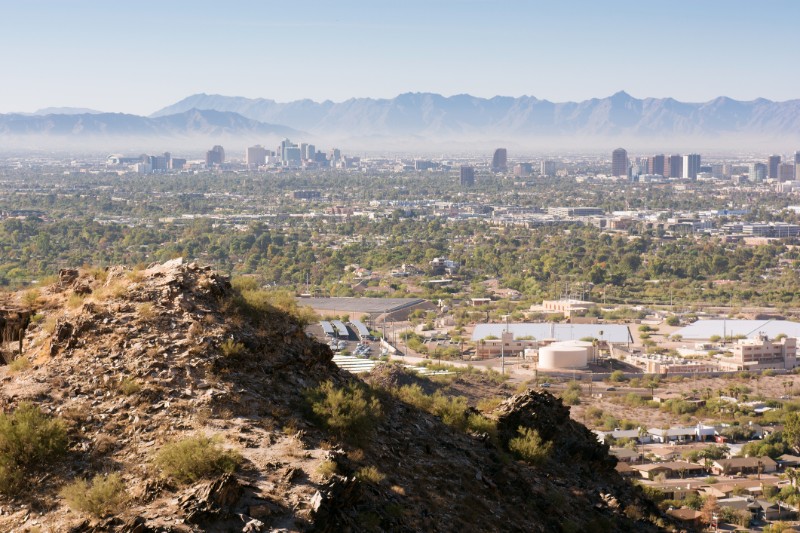
If you’ve lived in the Valley long enough you likely already know the general differences in these four key luxury markets. However, cold weather refugees continue to flood into the state – this video is aimed at you. I’m also aware that Phoenix is much larger than these four areas. If I’m being honest, the rest of Phoenix just isn’t as iconic in the luxury housing market as these name-brand areas. This isn’t a perfect guide, but it will help you get a broad sense of what distinguishes these areas. Let’s get started:
Arcadia
Sweet, sweet Arcadia. This is where I grew up. And where my dad grew up. And where my grandparents were the first house on the street to get a telephone because my grandmother was a nurse at the hospital. Now, this area has undergone a massive transformation in the past two decades. What were formerly sprawling citrus estates with flood irrigation and true ranch houses is now packed to the rafters with as much house as you can fit on the properties. This area is known for a tight knit community focused on families, with Hopi Elementary being a central figure in local events.
A frequent complaint I hear about Arcadia is that due to its age, power and phone lines are all above ground. With how close the properties are to each other, you also lose some privacy and have more power lines branching off that Paradise Valley or Scottsdale. This can make any worthwhile views, well, less worthwhile. You’re also more likely to find multi-story houses here with all the recent redevelopment going on. It’s a somewhat more relaxed pace of life though, so if you can afford the square footage, you won’t be disappointed in the community.
Biltmore
Here is the oft-forgotten middle child of Phoenix luxury. Ironically, this was one of the first places in the Valley to make a splash with high-dollar clientele thanks to the community’s namesake, The Biltmore Hotel and golf course. This is a relatively small chunk of the Valley, and you will see a huge range of prices, styles, and finishes here. For the most part, the Biltmore Circle is THE place to be, with homes frequently going for $5M+, with the outer communities featuring homes enjoyed by seasonal visitors or those looking to downsize. And if you’re a fan of vintage mid-century design, you’ll find some true gems in this community.
The biggest issue with this area is that if you aren’t into golf, it’s going to be a hard sell. Everything revolves around the two courses at the Biltmore. HOAs can also be a bit overpriced here, without much in the way of amenities. Still, it leaves you incredibly close to the food scene in central Phoenix and Camelback, with an easy surface-street commute to the airport taking no more than 20 minutes.
Paradise Valley
The golden goose of Phoenix real estate. If you can realistically consider property here you’ve done well for yourself. Dirt lots are a hot commodity and frequently sell for $3M+ per acre and inevitably have a home built within a year or two. There are many reasons prices here are so extravagant – AKA there are many reasons why people are willing to pay top dollar to live in this area. First, there is no commercial zoning in all of Paradise Valley. At all. Second, there are no streetlights. That might sound a little odd at first, but it not only adds to the serenity of the landscape, but it keeps things quiet and peaceful at night. A third reason (though there are more than three) is that your neighbor is likely to be someone of note, whether they’re a successful entrepreneur, celebrity, or professional athlete, you’ll want to make a point of having the neighbors over for dinner.
I’ve already mentioned the biggest drawback to Paradise Valley – the price of entry. The dirt alone precludes most potential buyers from considering a home here. Then it becomes an issue of the cost to remodel. Anything under $5M is likely going to need some aggressive changes to keep up with the neighbors. By aggressive, I mean easily over seven figures in renovations. The upside is that at this point, those remodel projects are still seeing a massive return on investment, which is why the properties still needing work get snapped up so quickly and resold for $8M+.
Scottsdale
The range of homes in Scottsdale is as large as the city is long. You can cross the width of Scottsdale in under 10 minutes in some places, but to go from top to bottom you’ll be in the car for over 45 minutes. And what an experience you would have on that 45-minute tour. Starting in the south of Scottsdale, you’ll find modest, old homes. Some of these are getting flipped (and show standard flip quality) but for the most part, this part of Scottsdale is still fairly attainable for the average person. As you continue north past Old Town, you’ll notice the quality of homes jump quickly. You’ll also notice a distinct shift to gated communities and golf courses. HOAs are common in the northern half of the city, with many featuring private golf clubs with enormous wait lists to get in. As you approach Loop 101 you’ll notice another shift towards condos and townhouses, with a major focus on shopping, dining, and social experiences. Once you’re past the 101 you’ll see the most distinct shift. Suddenly you’ll feel like you’re in the middle of the desert. Large lots are the norm here, with a huge focus on natural landscape. So much so that you are required to keep a certain percentage of your property completely untouched. Homes drop in cost per square foot, but that just allows for larger homes on sprawling lots.
South Scottsdale loses buyers when they see the lack of care in some neighborhoods and the riffraff that can attract. That is changing, but it’s still something to keep in mind. Central Scottsdale can be wonderful, and many people looking for a second home target this area for the gated communities. Those same communities can shoot themselves in the foot though, with homes that are often dated on the outside and between the proximity to homes on either side and very restrictive HOAs, the best you’ll get is a decent interior remodel for a premium price. The condos are nice and new, but the shopping and dining areas are still a work in progress, so options are not as multitudinous as they would be in true urban centers. Finally, North Scottsdale. You will feel very remote here. For some that’s a huge plus! For others, frequent run-ins with wildlife and the lengthy drive for options on groceries, gyms, dining, etc prevent them from enjoying the natural beauty that surrounds the area.
Well, there you have it. A lengthy but still broad strokes look at the key luxury markets in the Valley. There are many points that I didn’t cover but would be happy to discuss with you on the phone, as everyone has their own take on what’s a perk and what’s a drawback. I’d love to chat with you if you’re exploring the idea of living in the Valley and would be happy to lend you my multi-generational knowledge of the area. I’ll talk with you soon!